


Walk into any serious home gym and you’ll probably spot one piece of equipment that looks simple but does almost everything: the cable pulley. It’s smooth, adjustable, and incredibly versatile. But let’s start with the big question most beginners type into Google: how does the cable pulley system work?
If you’ve ever pulled a handle and felt that steady resistance follow you from start to finish, you’ve already experienced its magic. In this guide, we’ll break everything down in a way that actually makes sense, no physics degree required. Just practical knowledge you can use to build a smarter, stronger setup at home.
The Simple Science Behind It
A cable pulley system works by redirecting force through rotating wheels (pulleys) connected to a cable and a weight source. Instead of lifting a dumbbell straight up against gravity, you’re pulling a cable that travels through one or more pulleys.
That redirection of force is what makes cable systems unique.
The basic components include:
-
Steel cable (often nylon-coated)
-
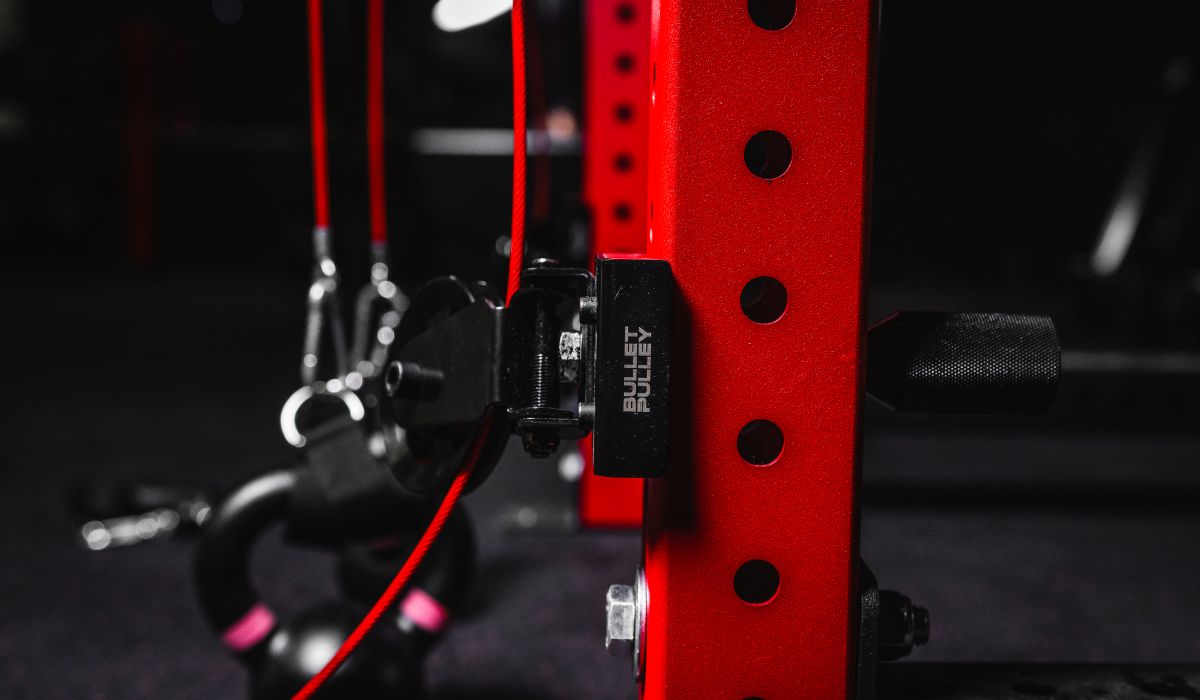
One or more pulley wheels
-
Weight stack or plate-loaded carriage
-
Adjustable frame or rack
-
Interchangeable handles
When you pull the handle, the cable moves through the pulley. The pulley spins, reducing friction and allowing smooth motion while lifting the weight.
The result? Constant tension. And constant tension means better muscle engagement.
How Does a Pulley Work Step by Step?
Let’s break it down clearly.
Step 1: The Cable Is Installed
The cable is threaded through pulley wheels. These wheels rotate freely and guide the cable’s path.
Step 2: Weight Is Attached
One end connects to a weight stack or plates.
Step 3: You Apply Force
When you pull the handle, you apply force to the cable.
Step 4: The Pulley Redirects That Force
The pulley changes the direction of resistance upward, downward, sideways, or angled.
Step 5: The Weight Moves
As the cable tightens, the resistance lifts smoothly.
Step 6: Controlled Return
When you release slowly, gravity lowers the weight while the cable retracts evenly.
This system creates tension from the very beginning of your movement to the very end unlike free weights, which often lose tension at certain points.
Why Cable Systems Feel Different (In a Good Way)
Ever notice how a dumbbell curl feels heavy in the middle but lighter at the top? That’s gravity doing its thing.
Cable systems don’t rely only on gravity. They maintain resistance across the full range of motion. That means:
-
Better muscle activation
-
Less stress on joints
-
Greater control
-
Safer progression for beginners
It’s smooth, controlled, and consistent.
Types of Pulley System
Understanding the types of pulley system helps you choose the right setup for your goals.
Here are the main ones used in fitness equipment:
1. Fixed Pulley
A stationary pulley attached to a frame. It changes direction of force but doesn’t reduce effort.
2. Movable Pulley
The pulley moves with the load, distributing force and reducing required effort.
3. Compound Pulley
Combines fixed and movable pulleys for smoother control and mechanical advantage.
4. Dual Adjustable Pulley
Independent cables on each side, allowing symmetrical or unilateral training.
Each has its purpose. The right choice depends on space, budget, and training intensity.
4 Types of Pulley System Explained? Which One Is Best for Your Home Gym
This is where it gets practical: 4 types of pulley system explained? which one is best for your home gym
Let’s compare them from a home user perspective.
Fixed Pulley
Simple and affordable. Great for basic vertical pulling exercises like lat pulldowns.
Movable Pulley
Easier lifting feel due to mechanical advantage. Good for beginners focusing on controlled reps.
Compound Pulley
More versatility and smoother tension distribution. Excellent for progressive training.
Dual Adjustable Pulley
Maximum flexibility. You can perform chest flys, cable presses, rows, and rotational movements with precision.
Best choice for home gym?
If you want versatility without clutter, a compound or dual adjustable setup usually offers the best long-term value.
Cable Pulley System for Home Gym
Choosing a cable pulley system for home gym use isn’t just about price—it’s about performance.
Here’s what to look for:
Solid Frame Construction
Heavy-duty steel prevents wobbling during heavier lifts.
Smooth Bearings
Quality pulleys rotate effortlessly, reducing wear and friction.
Durable Cable
Aircraft-grade steel cables with protective coating last longer.
Adjustable Height
More adjustment points mean more exercise options.
Attachment Compatibility
The more handles it supports, the more variety you’ll have.
A well-built system doesn’t just feel strong it feels smooth and controlled.
Rack Mounted Cable Pulley System
If you already own a power rack, upgrading with a rack-mounted cable pulley system might be your smartest move.
Why it works so well:
-
Saves floor space
-
Uses existing rack structure
-
Adds multi-functionality
-
Ideal for compact setups
Instead of buying a separate bulky machine, you convert your rack into a cable station.
For home gym owners who want efficiency without expanding their footprint, this option makes serious sense.
Cable Pulley System Home Gym Commercial Grade
Some people train casually. Others train like it’s their lifestyle. If you fall into the second category, a cable pulley system home gym commercial grade option may be worth considering.
Commercial-grade systems typically offer:
-
Thicker steel frames
-
Precision-machined pulleys
-
Higher weight capacities
-
Reinforced cables
-
Professional-level smoothness
If multiple people use your gym or you lift heavy consistently this level of durability ensures longevity and consistent performance.
It feels stable. It feels premium. And it handles serious training.
How Resistance Ratios Work
One interesting thing about pulley systems is resistance ratio.
Some setups use a 1:1 ratio (100 pounds feels like 100 pounds). Others use 2:1, meaning 100 pounds feels like 50 but with double cable travel.
That change affects:
-
Speed of movement
-
Load feel
-
Control during isolation exercises
Understanding this helps you train more precisely instead of just stacking plates blindly.
How to Make a Pulley System More Efficient?
Even the best system needs care. So, How to make a pulley system more efficient?
Here’s what truly matters:
Keep It Clean
Dust buildup increases friction over time.
Lubricate Moving Parts
Smooth bearings extend equipment life.
Align Cables Properly
Misalignment causes uneven wear and jerky movement.
Replace Worn Cables Early
Prevention saves money long term.
Control Your Tempo
Efficiency isn’t only mechanical, it's how you use it. Slow, controlled reps maximize muscle tension.
When you maintain your system, it maintains your results.
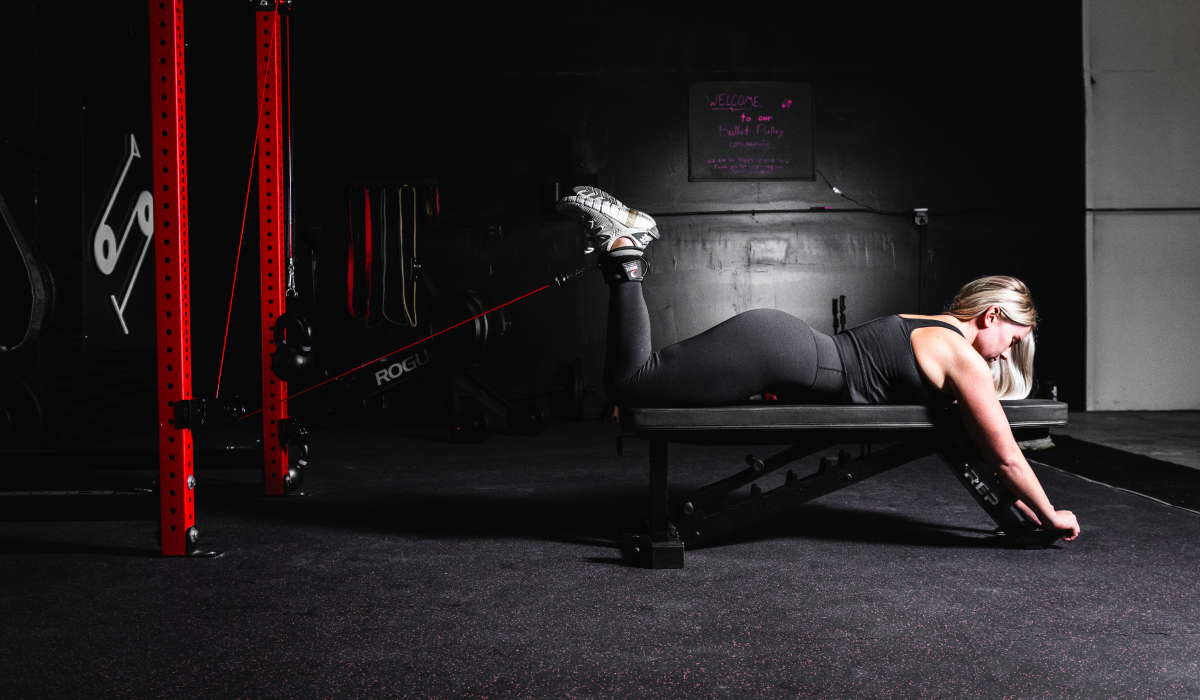
Exercises You Can Do With One Setup
The beauty of cable systems is versatility.
With the right attachments, you can train:
-
Back (lat pulldowns, seated rows)
-
Chest (flys, presses)
-
Shoulders (lateral raises, face pulls)
-
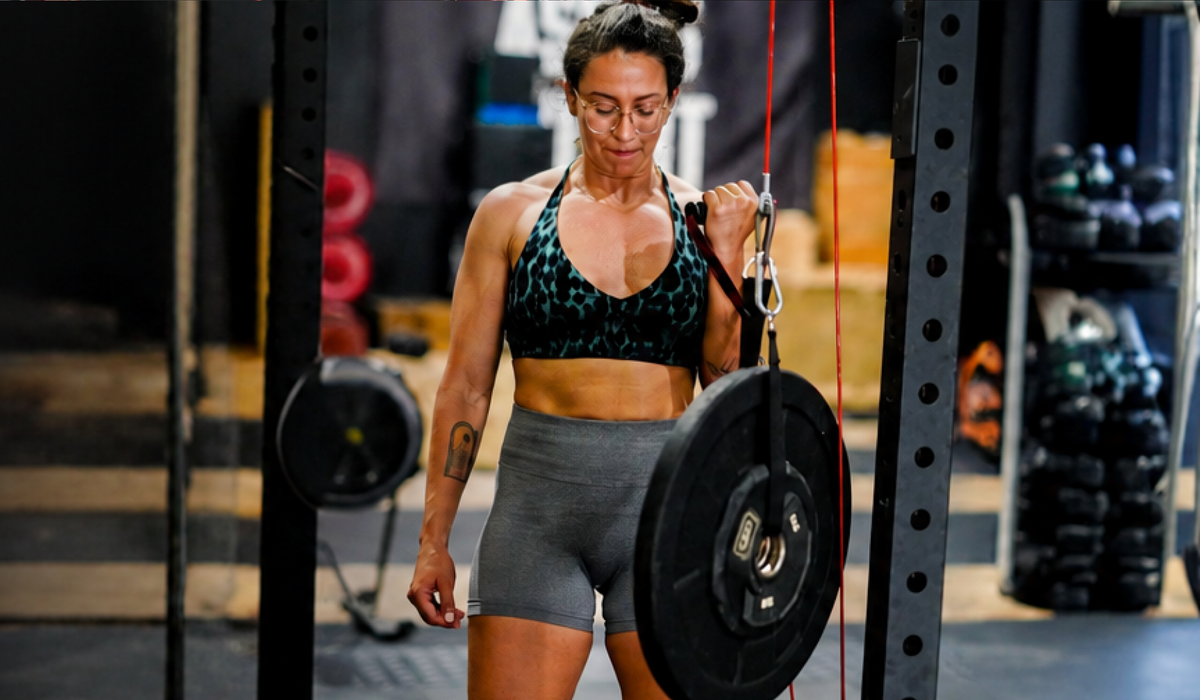
Arms (curls, pushdowns)
-
Legs (cable squats, kickbacks)
-
Core (rotations, woodchoppers)
One machine. Full-body training.
That’s efficiency.
Common Beginner Mistakes
Even with a perfect setup, mistakes happen.
Using Momentum
Swinging reduces tension.
Skipping Full Range
Half reps mean half results.
Overloading Too Fast
Gradual progression protects joints and cables.
Poor Setup
Wrong pulley height changes exercise effectiveness.
Focus on control over ego.
Why Cable Training Is Beginner-Friendly
For beginners especially, cable systems remove fear and confusion.
They provide:
-
Adjustable resistance
-
Guided movement path
-
Lower injury risk
-
Continuous tension
-
Quick weight changes
You build confidence while building strength.
That’s a powerful combination.
Final Thoughts
Now you truly understand how does cable pulley system work it redirects force using rotating pulleys, maintains steady tension, and allows multi-directional resistance that transforms how you train.
From understanding the types of pulley system to deciding between a rack-mounted cable pulley system or a cable pulley system home gym commercial grade option, you’re no longer guessing. You’re choosing strategically.
Whether you're setting up your first cable pulley system for home gym or upgrading to something built for serious lifting, knowledge gives you an edge.
And once you feel that smooth, consistent resistance during your first properly executed rep, you’ll understand why cable systems have become a staple in both home and professional gyms.
Train smart. Train control. Train with purpose.
Share:
Where to Buy a High Quality Home Gym Pulley System
Home Gym VS Gym Membership: Is It Worth It to Build Your Own Gym?