


If you’ve ever stood in front of a mirror, adjusting your workout clothes and debating whether to drive to the gym or just stay home, you’re not alone. The debate around home gym vs gym membership has become more relevant than ever. Between packed schedules, recurring membership fees, and the comfort of working out in your own space, more people are questioning what truly makes sense.
Let’s break it down honestly, no hype, no exaggeration. Just real talk about convenience, long-term value, results, and whether building your own gym is actually worth it.
The Real Cost: Monthly Payments vs One-Time Investment
A gym membership often feels manageable at first. The monthly payment doesn’t seem overwhelming. But over time, those payments stack up. Year after year, you continue paying whether you go consistently or not. Add in joining fees, cancellation policies, and unexpected charges, and the total investment grows quietly in the background.
Building a home gym works differently. It requires an upfront investment, but once the equipment is yours, it’s yours. There are no recurring deductions. No contracts. No penalty fees if life gets busy for a month.
The real question becomes: are you paying for access, or are you investing in ownership?
Time Is the Hidden Expense
Driving to the gym. Searching for parking. Waiting for machines. Adjusting equipment someone else just used. It may not seem like much at the moment, but those minutes add up quickly.
When your workout space is steps away, excuses shrink. You don’t need to plan your schedule around peak hours. You don’t skip training because traffic is frustrating. You simply walk into your space and begin.
For professionals, parents, and anyone balancing responsibilities, this convenience alone can completely change consistency.
Equipment Variety: Do You Really Need Everything?
Commercial gyms are packed with equipment. Rows of treadmills. Endless cable stations. Machines designed for very specific muscle angles.
But here’s something experienced lifters understand: results don’t come from using every machine. They come from progressive overload and consistency.
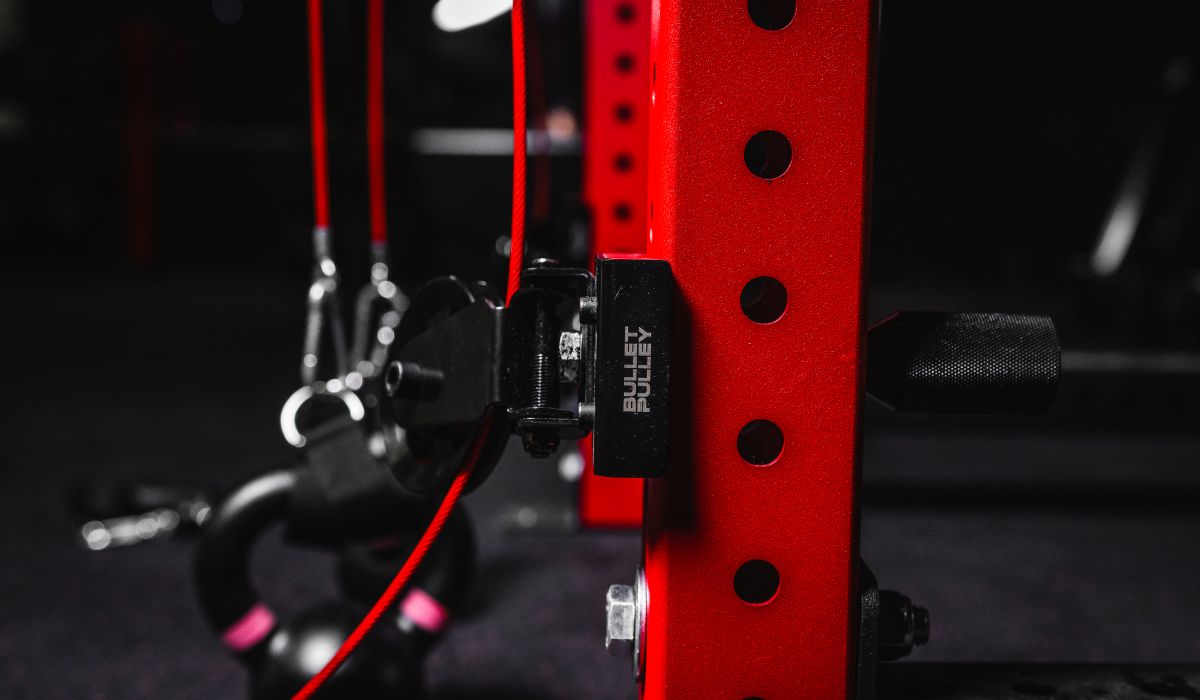
This is where a home gym pulley system becomes incredibly practical. With one well-designed system, you can perform lat pulldowns, rows, tricep pushdowns, face pulls, bicep curls, and more without filling your home with bulky equipment.
One versatile setup can replace multiple gym machines while taking up a fraction of the space.
Privacy and Comfort Matter More Than You Think
Not everyone enjoys working out in public. Some love the gym atmosphere. Others feel intimidated or distracted.
At home, there’s no pressure. No comparison. No waiting for someone to finish scrolling on their phone while sitting on the equipment you need.
You control the music. The lighting. The energy.
For beginners especially, this comfort can build confidence. When you remove self-consciousness, you increase consistency. And consistency builds results.
Space: The Biggest Concern
The first question people ask is simple: “Where would I even put a gym?”
The truth is, you don’t need an entire basement. Many effective setups fit inside spare rooms, balconies, or garages. What matters is efficiency, not square footage.
If you’re using a garage, choosing the most durable pulley system home garage gym setup becomes essential. Garage environments experience temperature shifts and moisture changes, so durability isn’t optional. Strong materials, reliable cables, and secure mounting systems ensure long-term performance without frequent maintenance.
Quality matters when your space doubles as storage, parking, and training area.
Strength Progress Without Limitations
One argument in favor of commercial gyms is access to heavy weight stacks and advanced machines. That’s fair. But for most individuals focused on strength, fat loss, or general fitness, a thoughtfully selected pulley system for home gym offers more than enough resistance and flexibility.
Modern pulley systems allow adjustable loading, smooth movement, and exercise variation. You can train every major muscle group effectively without needing an entire fitness facility.
The principle of progress doesn’t depend on location. It depends on gradually increasing challenge over time.
Community vs Independence
Gyms can offer social benefits. You may meet like-minded people, find accountability partners, or join group classes.
But let’s be honest, many people train with headphones on and leave without interaction.
At home, accountability becomes internal. You don’t rely on the environment to push you. You create the routine. For some, that independence strengthens discipline. For others, it builds confidence.
And today, community doesn’t require physical presence. Online coaching, virtual programs, and fitness communities provide support without requiring a commute.
Hygiene and Control
Shared equipment means shared contact. Even with cleaning policies, you never fully control hygiene in a commercial gym.
At home, that control is entirely yours. You know who used the equipment. You decide when it’s cleaned. Maintenance becomes straightforward and personal.
It’s a small but meaningful advantage especially for people who value cleanliness and peace of mind.
Customization Around Your Goals
A commercial gym must serve everyone. Your home gym only needs to serve you.
If you enjoy functional training, focus on cables and bodyweight tools.
If strength training is your goal, integrate a rack and plates.
If rehabilitation or mobility work matters most, keep it minimal and adaptable.
A home gym cable pulley system provides versatility without overwhelming your space. Adjustable angles allow you to perform dozens of movements, making it easier to tailor workouts to your body and goals.
Instead of adapting to available machines, your equipment adapts to you.
Long-Term Durability and Value
When building a home gym, quality should be prioritized over shortcuts. Cheap materials may look appealing initially, but frequent replacements quickly erase any savings.
Researching the best pulley system for home gym setups ensures smoother movement, stronger cables, and reliable anchors. A solid system feels stable during every repetition. It doesn’t wobble, jam, or fray after months of use.
A durable setup supports years of progress without interruption.
Motivation: The Honest Conversation
Some people feel energized by the buzz of a busy gym. Others find it draining.
The truth is simple: the environment influences behavior differently for everyone. If commuting reduces your motivation, a home gym removes that barrier. If social energy fuels your drive, a membership might serve you better.
But here’s something worth considering: when you dedicate space in your home to fitness, you reinforce its importance. It becomes part of your lifestyle rather than something you schedule around.
That mindset shift often leads to greater long-term consistency.
Long-Term Financial Perspective
Instead of looking at monthly payments, think in terms of years. Continuous membership payments accumulate over time. Whether you use the gym regularly or not, the cost remains.
With a home setup, your primary investment happens once. After that, your equipment is always available without ongoing charges tied to attendance.
Over the long term, ownership often proves more economical than renting access.
Flexibility in Scheduling
Home training offers unmatched flexibility. Early morning sessions. Late-night workouts. Quick midday breaks between meetings.
There are no opening hours to consider. No holiday closures. No peak-time congestion.
For parents, this flexibility is especially valuable. You can train while your children are nearby. Fitness becomes integrated into daily life instead of competing with it.
So, Is It Worth It?
When comparing home gym vs gym membership, the answer depends on your lifestyle and personality.
If you thrive in structured environments with group classes and social energy, a gym membership may be the right fit.
If you value convenience, privacy, customization, and long-term ownership, building your own gym can be incredibly rewarding.
Modern compact equipment especially cable-based systems makes it possible to create a powerful training space without overwhelming your home.
Final Thoughts
Building your own gym isn’t about replicating a commercial facility. It’s about creating a space that supports your goals without unnecessary friction.
With smart equipment choices and durable design, you can train effectively for years without recurring obligations.
In the end, progress doesn’t depend on location. It depends on consistency. Whether you choose a membership or invest in your own setup, showing up regularly is what transforms results.
But if you appreciate control, efficiency, and the idea of training on your terms, building your own gym might not just be worth it, it might be one of the smartest long-term decisions you make for your health.


Share:
How Does a Cable Pulley System Work Complete Guide for Beginners
Can You Build Muscle with Just a Cable Machine?