

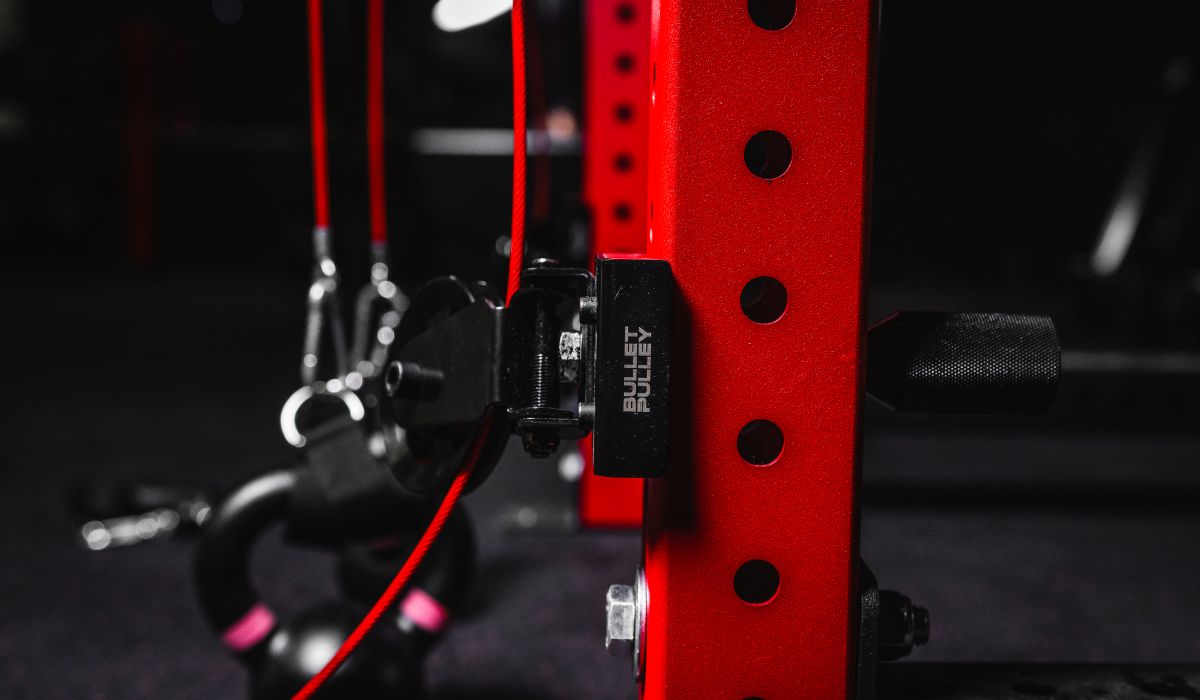
Okay, real talk I used to think ab day just meant floor crunches until my neck hurt more than my abs did. Sound familiar? Then I started messing around with the pulley system in my garage and honestly, it kind of changed how I think about core training. If you've already got one of these setups at home, you're sitting on something way more useful for your midsection than you probably realize. A cable ab workout gives you constant tension the whole way through the movement, which floor exercises just can't do and it actually feels like your body twisting, bracing, and rotating in real life, not some robotic up-and-down motion.
I'm not chasing a six-pack here (though hey, if it happens, it happens). What got me hooked was realizing my core is basically involved in everything carrying groceries up the stairs, swinging at the driving range, picking stuff up off the floor without my back staging a protest. So here's what I've been doing at home with cables, and honestly, it's become my favorite part of the week.
Why I Switched from Crunches to Cables
Gravity is kind of a lazy training partner if you think about it. With a floor crunch, you only really feel resistance at certain points mostly right at the top and bottom. A cable pulls on you the entire time, so your abs and obliques don't get to coast through any part of the rep. It's a small thing, but it makes a huge difference in how sore I am the next day (in a good way).
This is basically why pulley core exercises ended up replacing most of my old floor routine. You can adjust the resistance in two seconds, hit your core from a bunch of different angles, and your stabilizer muscles are working overtime just to keep you balanced. It genuinely feels like you're getting more out of each rep instead of just grinding through reps for the sake of it.
And the best part? You don't need some massive cable machine taking up half your basement. A compact home pulley setup gets you most of the same benefit without eating your whole floor space.
Getting Set Up
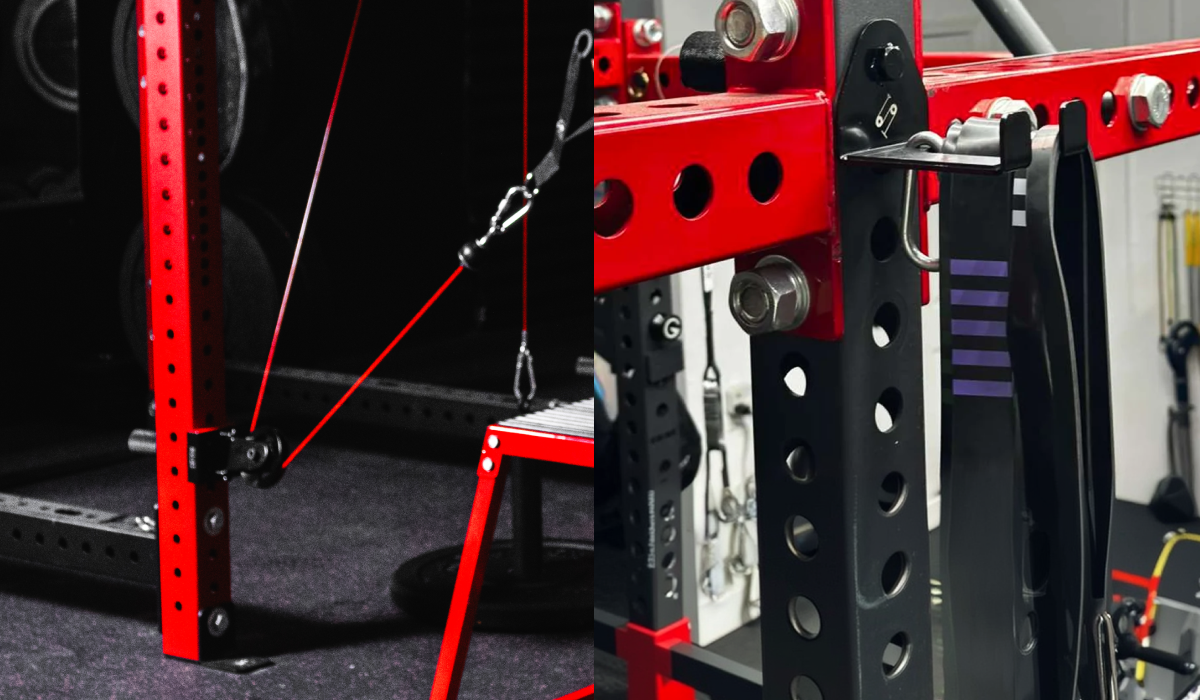
Quick thing before we get into the moves: most pulley systems let you slide the anchor point up or down, and that height actually matters a lot for core stuff. A high anchor is your friend for crunching movements. Low anchor is where the rotational and anti-rotation exercises live. If yours mounts onto a rack or a door frame, you basically already have a full home gym ab exercises setup without buying anything else.
Grab a rope or a single handle, pick a weight you can actually control (not something you're yanking with momentum), and let's get into what's actually worked for me.
1. High-Pulley Cable Crunches
This one's a classic for a reason. I kneel facing the pulley with the anchor up high, grab the rope with both hands, and rest my hands beside my head or under my chin. Then I crunch down, curling through my spine rather than just folding at the hips, and control the release back up slowly.
What I love about doing cable crunches at home is that I can micro-adjust the weight depending on how I'm feeling that day. Some days I bump it up, other days especially after leg day I dial it way back and just focus on getting the form right. I usually land somewhere around 3 sets of 12 to 15, squeezing at the bottom each time.
2. Standing Cable Woodchopper
This one took my core work up a notch when I added it in. Pulley set low, standing sideways to it, and I pull the handle diagonally across my body from hip height up toward my shoulder, letting my torso rotate along with it. Arms stay fairly straight; the power comes from the core, not the arms.
A cable woodchopper exercise trains that rotational strength that crunches genuinely can't touch. Think about swinging a bat, throwing a punch, or twisting around to grab something behind you in the car; it all runs through this same movement pattern. I keep it around 3 sets of 10 to 12 per side and try not to rush it, since smooth control beats fast and sloppy every time.
3. Reverse Woodchopper (High-to-Low)
Same idea, flipped. Pulley up high, pulling diagonally down across my body toward the opposite hip. It hits the same rotational muscles from a different angle, and honestly, controlling the weight on the way down is just as tough as the pull itself. I usually pair it right after the standing woodchopper 3 sets of 10 per side does the job.
4. Standing Oblique Cable Crunch
Standing sideways to a low or mid-height pulley, I grab the handle with the closer hand and crunch straight sideways, bringing my elbow down toward my hip. This hits the sides of my core in a way I could never really replicate on the floor no more weird side bends with a dumbbell that end up straining my shoulder instead.
If you're looking for a solid oblique cable workout, this is the move that does it. Keeping the hips still is key: let the movement come from your ribs bending toward your pelvis, not your whole body swaying. I do around 3 sets of 12 per side, and my sides are definitely feeling it by the end.
5. Pallof Press (Anti-Rotation Hold)
Not every core move needs to be about moving, sometimes it's about resisting movement, which is kind of a mind shift the first time you try it. Pulley at chest height, standing sideways, and I press the handle straight out from my chest. The cable wants to twist me toward the anchor, and my whole job is to stay square and not let it.
This ends up being one of the most useful moves in my whole routine, because it trains your core for how it actually works in daily life bracing against force instead of creating it. I hold each press for a couple seconds, do about 10 per side for 3 sets, and a "light" weight suddenly feels a lot heavier once you're holding it still.
6. Kneeling Cable Rotation
Kneeling sideways to a low pulley, holding the handle at chest height, and rotating my torso away from the anchor while keeping my hips locked in place. Taking your legs out of the equation means your core has to do all the work on its own, which is exactly why I like using it as a finisher. It's a great way to genuinely build core strength at home without needing a mat full of complicated setups or extra gear.
How I String It All Together
Here's roughly how a session looks for me:
-
A few minutes of light cardio or dynamic stretching to warm up
-
High-pulley crunches — 3×12–15
-
Standing woodchopper — 3×10–12 per side
-
Standing oblique crunch — 3×12 per side
-
Pallof press — 3×10 per side (2–3 second hold)
-
Kneeling rotation — 3×10 per side
Twice a week has been the sweet spot for me enough to feel real changes in stability and strength without burning out. Your core bounces back faster than bigger muscle groups, but it still needs a break here and there.
A Few Things I Keep Reminding Myself
Slow down. I still catch myself rushing through these because the resistance feels manageable, but the real work happens in the control, especially on the way back to start. Breathing matters more than you'd think too exhale on the crunch or rotation, inhale on the way back. And try to keep your hips quiet during the rotational stuff if your hips are swinging around, your obliques are basically getting let off the hook.
A Couple of Things I Wish I'd Known Sooner
When I first started, I made the mistake of going too heavy too fast, mostly because the cable made everything feel more manageable than it actually was. Your core fatigues in a sneaky way you don't feel it burning out the same way your arms or legs do, so it's easy to push weight past the point your form can handle. If your lower back starts rounding during crunches, or your hips start swaying during the rotational moves, that's your cue to drop the weight, not push through it.
The other thing worth mentioning is variety. It's tempting to stick to your favorite two moves and repeat them every session, but your core responds better to being hit from different directions front, sides, and rotational across the week. Rotating through the exercises above rather than sticking to one or two keeps things interesting and trains the whole midsection instead of just one slice of it.
Where I've Landed
Turns out you really don't need a commercial gym to train your core properly. A pulley system tucked into a corner of the house gives you crunches, rotations, anti-rotation holds, and woodchoppers pretty much everything you'd ever need for a serious core session, minus the drive to the gym. I mix these into my week, stay consistent with it, and honestly notice it in everything else I do lifting, sports, even just carrying stuff around the house. If you've already got a pulley system sitting around, there's really no reason your core routine should still be stuck on the floor.
Share:
Best Cable Leg Exercises for Quads, Hamstrings & Glutes