


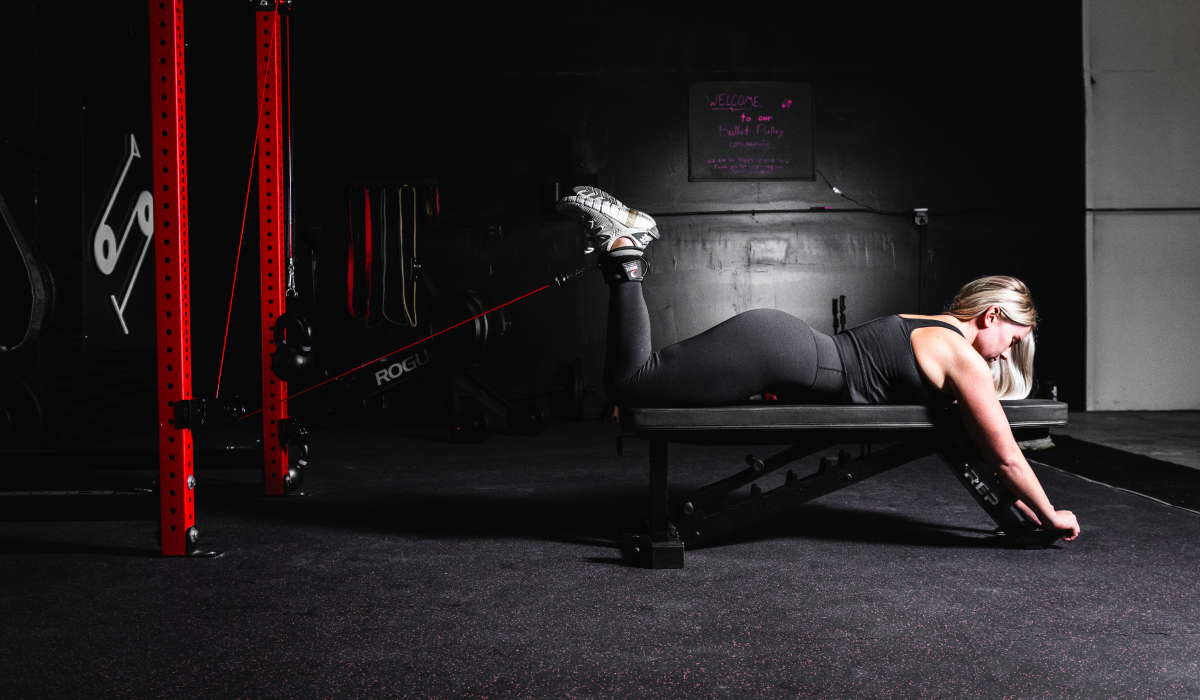
Let's be real for a second. You've just set up your Bullet Pulley on your power rack, you're knocking out cable curls, tricep pushdowns, hamstring curls, and lat pulldowns in your garage like it's a commercial gym. The pump is real. The progress is happening. And then someone at work casually drops the word protein into a conversation and suddenly you're spiraling, do I need 200 grams a day? Should I be drinking three shakes? Am I undereating?
Take a breath. I've been down this rabbit hole and come out the other side, so consider this my protein guide for anyone training at home with cables written by a regular person, not a bodybuilder yelling at you on YouTube.
Why Cable Training Changes the Protein Conversation
Cable work is sneaky. Because the resistance stays constant through the entire range of motion, your muscles spend more time under tension than they would with most free-weight equivalents. That tension is what creates the tiny micro-tears in your muscle fibers. The same micro-tears protein helps stitch back together, stronger than before.
So when you're doing 15 slow, controlled cable rows on your Bullet Pulley setup, your muscles are actually working harder than the weight on the stack might suggest. Which means recovery matters. Which means... Yeah, protein matters more than you think.
Here's a quick guide to protein that won't make your eyes glaze over: protein is just a chain of amino acids. Your body breaks them down and uses them to repair muscle, build hormones, make enzymes, and basically keep you from falling apart. Skip it, and your training plateaus. Eat too little, and your recovery tanks. Eat the right amount, and that cable workout you crushed yesterday actually pays off tomorrow.
The Actual Number You Need
Forget the bro-science floating around Instagram. The research is pretty settled on this:
-
If you're sedentary: 0.8 grams per kilogram of body weight
-
If you train regularly (that's you): 1.6 to 2.2 grams per kilogram of body weight
-
If you're cutting fat but trying to hold onto muscle: push closer to 2.2g/kg
For a 75 kg (about 165 lb) person training with cables 4 times a week, that's roughly 120 to 165 grams of protein per day. Not 300. Not 400. You don't have to eat like a powerlifter to look good and feel strong.
Honestly, going way above 2.2g/kg doesn't do anything magical. Your body just turns the excess into energy or stores it. You're paying for expensive pee. That's it.
For the New Folks: Where to Start
If you just bought your first power rack, hung your first Bullet Pulley on it, and you're trying to figure out how to eat around your training, this section is for you.
When it comes to beginner gym nutrition, simplicity beats perfection every single time. Forget tracking every gram on day one. Just hit these three habits:
-
Get a palm-sized portion of protein at every meal
-
Drink a shake on training days if your meals fall short
-
Don't skip breakfast, most people undereat protein in the morning and then can't catch up by dinner
For the best beginner protein sources, you want foods that are affordable, easy to prepare, and actually enjoyable to eat. Eggs, chicken breast, Greek yogurt, cottage cheese, lean ground turkey, tuna, black beans, tofu, and milk are all excellent options. Anything fancier is a bonus, not a requirement.
The Easiest High-Protein Foods to Keep Around
If you're trying to hit your protein goal consistently, stock your kitchen with foods that require minimal effort.
-
Eggs
-
Chicken breast
-
Ground turkey
-
Lean ground beef
-
Greek yogurt
-
Cottage cheese
-
Tuna packets
-
Salmon
-
Milk
-
Protein powder
-
Black beans
-
Tofu
You don't need a complicated meal plan. Most people can hit their daily protein target simply by building meals around a few of these staples.
The Actual Number You Need
Forget the bro-science floating around Instagram. The research is pretty settled on this:
-
If you're sedentary: 0.8 grams per kilogram of body weight
-
If you train regularly (that's you): 1.6 to 2.2 grams per kilogram of body weight
-
If you're cutting fat but trying to hold onto muscle: push closer to 2.2g/kg
If you prefer thinking in pounds, that's roughly 0.7 to 1 gram of protein per pound of body weight.
For a 165-pound (75 kg) person training with cables 4 times a week, that's roughly 120 to 165 grams of protein per day. Not 300. Not 400. You don't have to eat like a powerlifter to look good and feel strong.
Beyond that range, additional protein provides little to no extra muscle-building benefit for most people.
Real Food Beats Powder Almost Every Time
Here's an honest food protein guide: actual meals, not just dry numbers on a screen.
Breakfast Options (Around 30g Protein)
-
3 eggs with two slices of whole grain toast and a glass of milk
-
A bowl of Greek yogurt with oats, berries, and a spoon of peanut butter
-
Breakfast burrito with eggs, turkey sausage, and cheese
-
Cottage cheese with fruit and a side of scrambled eggs
Lunch Ideas (Around 40g Protein)
-
Grilled chicken with rice and a salad
-
Turkey sandwich on whole grain bread with Greek yogurt on the side
-
Tuna sandwich on sourdough with hummus
-
Lean ground beef bowl with rice, black beans, and avocado
Dinner That Won't Bore You (Around 40g Protein)
-
Salmon with roasted vegetables and quinoa
-
Grilled fish tacos with black beans and avocado
-
Grilled chicken breast with sweet potatoes and green beans
-
Tofu stir-fry with peanut sauce over rice noodles
A Quick Word on Carbs (Yes, Really)
Protein gets all the headlines, but training with cables, especially the high-volume, time-under-tension kind that a setup like Bullet Pulley encourages, burns through glycogen. Glycogen is simply stored carbohydrate sitting in your muscles, waiting to be used. Eat too few carbs, and your workouts feel flat, your protein gets diverted to energy instead of recovery, and your progress stalls.
The fix isn't complicated. Pair your protein with a real source of carbs at most meals: oats, potatoes, rice, fruit, whole grain bread, beans, or pasta. You don't need to count them. Just stop being scared of them.
Bringing It All Together
Your setup matters more than people give it credit for. A Bullet Pulley turning your power rack into a full cable station means you can train every muscle group with the kind of constant tension that actually drives results which means you have to fuel that work properly. Slap together a cable workout for an hour, then eat a bowl of cereal for dinner, and you're going to wonder why nothing's changing.
So here's the whole protein guide distilled into one paragraph: figure out your bodyweight in kilos, multiply by roughly 1.6 to 2.2, hit that number across 3–5 meals, lean on real food first, use a shake to fill any gap, sleep enough, drink water, and stay consistent for three months before you decide whether it's "working" or not.
That's it. No magic powders. No 14-step morning routine. No tracking apps that ping you every two hours. Just enough protein, real training, and the patience to let your body do its thing.
Now go set up that next set on your cable station. Your hamstrings are waiting, and so is dinner.
Share:
Garage Gym vs. Basement Gym: Which Is Better for a Cable Pulley Setup?
What Cable Length Do You Need for a Power Rack Pulley Setup?