

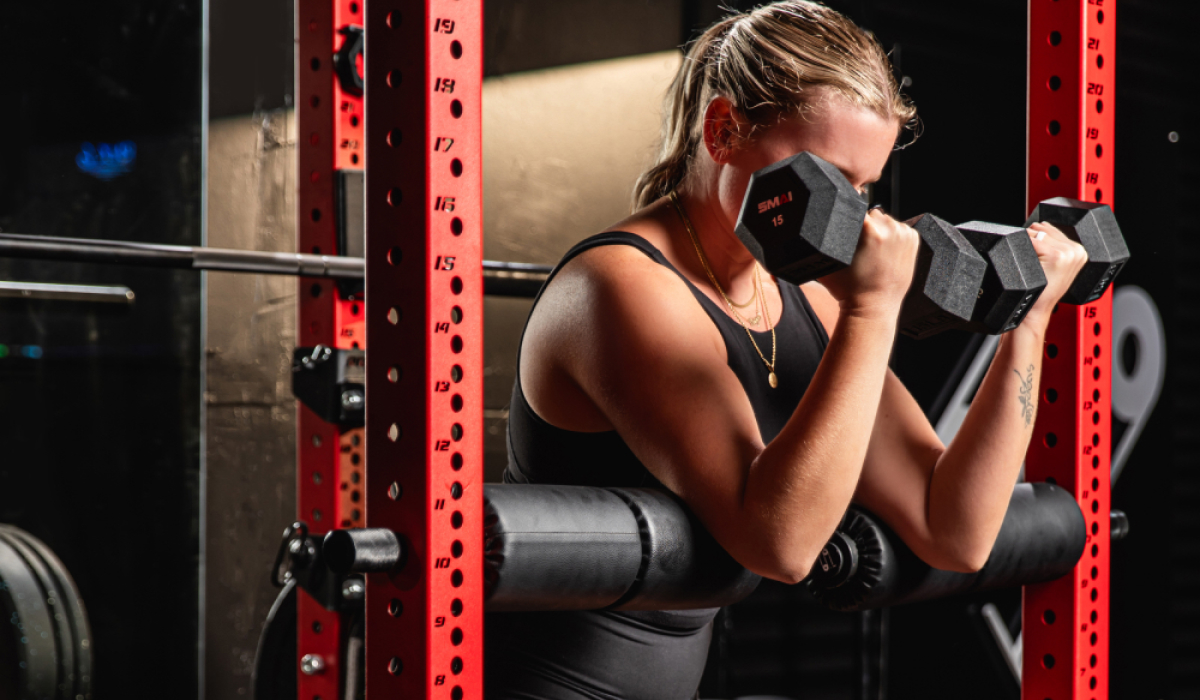
When you look in the mirror, you may notice distinct features like a defined waist, curvy hips, or broader shoulders. These characteristics can affect how you respond to fitness strategies, making it crucial to recognize your body’s shape and use targeted strength and weight training. In this blog, we’ll explore five common body shapes: apple, pear, hourglass, rectangle, and inverted triangle and the general somatotypes of ectomorph, mesomorph, and endomorph. We’ll also discuss how each shape can benefit from specific exercises, including routines using Bullet Pulley. Understanding your body shape paves the way for more effective and innovative training.
1. Apple Shape
Characteristics
-
Carry more weight around the midsection.
-
Relatively slim arms and legs
-
A less-defined waistline
Exercise Focus
People with an apple shape often benefit from exercises that emphasize core strength and fat loss around the abdomen, along with building balance in other muscle groups.
1. Core-Strengthening Moves
1. Cable Woodchoppers: Stand sideways to a cable machine, pulling a handle diagonally across your body. This dynamic movement targets your obliques and stabilizing muscles.
2. Standing Cable Crunches: Face the cable station, hold the rope attachment at head height, and crunch your upper body down with control.
3. Compound Lifts:
Deadlifts and Squats: Not only do these build full-body strength, but they also rev up your metabolism, helping to reduce overall body fat.
4. Upper-Body Work
Cable Rows and Pulldowns: Strengthening your back improves posture, which can help visually lengthen your torso and give you a more balanced look.
2. Pear Shape
Characteristics
-
Narrower shoulders, wider hips and thighs
-
More substantial lower body, often storing more fat around the hip region
Exercise Focus
Pear-shaped individuals already have a naturally powerful lower body but may want to focus on balancing the upper body and toning the lower half.
1. Lower-Body Strength
Cable Squats and Lunges: Holding the cable handle at chest level, squat or lunge to engage the quads, hamstrings, and glutes. The constant tension can elevate your workout intensity.
Glute Bridges (With Added Resistance): Using a barbell or dumbbell on the hips can further target the glutes and hamstrings.
2. Upper-Body Emphasis
Cable Shoulder Presses and Rows: Standing or seated, these moves help broaden the shoulders and back, creating a more proportional frame.
Cable Biceps Curls and Triceps Extensions: Develop arm definition, balancing your naturally stronger legs.
3. Calorie-Burning Cardio
Activities like rowing or swimming provide full-body engagement without overloading the legs.
3. Hourglass Shape
Characteristics
-
Balanced shoulders and hips, with a distinctly narrower waist
-
Gains or loses weight relatively proportionally
Exercise Focus
The hourglass shape thrives on balanced routines that maintain natural curves while enhancing overall strength.
1. Compound Moves for Symmetry
Cable Front Squats or Reverse Lunges paired with Cable Chest Presses keep the entire body activated.
Bench Presses and Bent-Over Rows can be alternated to maintain equal front/back muscle balance.
2. Core Stability
Planks and Cable Pull of Presses: These moves target the deep core muscles, helping you maintain that defined waistline without building excessive bulk.
3. Moderate Cardio
Incorporate steady-state cardio like jogging or elliptical workouts for fat management while preserving muscle mass.
4. Rectangle (Athletic) Shape
Characteristics
-
Shoulders, waist, and hips aligned in similar width
-
Naturally straight or “boyish” silhouette
Exercise Focus
People with a rectangle shape often look quite fit but may seek to add definition or create subtle curves.
1. Adding Curves Through Strength
Cable Hip Abductions: Target the outer glutes to widen the hip area slightly.
Weighted Hip Thrusts: A key move for building glute muscle and adding shape to the lower body.
2. Shoulder Definition
Lateral Raises and Face Pulls: Use dumbbells or a cable station to isolate the deltoids, enhancing upper-body shape.
Overhead Presses: Build strength and create a stronger shoulder line.
3. Full-Body Compound Exercises
Squats, Deadlifts, and Pull-Ups: These not only create a more athletic physique but also help in overall muscle development.
5. Inverted Triangle Shape
Characteristics
-
Broader shoulders and narrower hips
-
The upper body is often notably more substantial than the lower body
Exercise Focus
Inverted triangles typically want to develop lower-body strength and add more shape below the waist while maintaining upper-body power.
1. Lower-Body Power Moves
Cable Squats with Resistance: Emphasize quads, hamstrings, and glutes by maintaining proper form and slowly controlling the descent.
Cable Glute Kickbacks: Specifically target the glutes, helping to build a fuller lower body.
2. Upper-Body Maintenance
Moderate-Weight Pulldowns or Rows: Strengthen the back without excessively building the shoulder area.
Push-Ups and Dips: Keep your chest and arms strong but in balance with the lower body.
3. Core Engagement
Side Planks: Improve core stability and posture, balancing out any potential shoulder dominance.
Final Thoughts
Your body shape shouldn’t be seen as a limitation; instead, it’s a roadmap that tells you where you might need extra focus or specialized exercises. By blending strength training, cable-based moves, and the right amount of cardio, you can work toward the balanced, healthy physique you’ve always envisioned regardless of whether you’re apple, pear, hourglass, rectangle, or inverted triangle.
Above all, make sure your fitness routine is enjoyable and sustainable. Consistency is key to real progress, so choose exercises that keep you engaged and motivated. Embrace your shape, celebrate small victories, and remember that fitness is a journey built on persistence and self-discovery. With the right approach, you’ll be well on your way to achieving a stronger, more confident version of yourself.

Share:
World Health Day: Building a Healthier Future from the Comfort of Your Home
Why Bullet Pulley is the Perfect Mother’s Day Gift.