

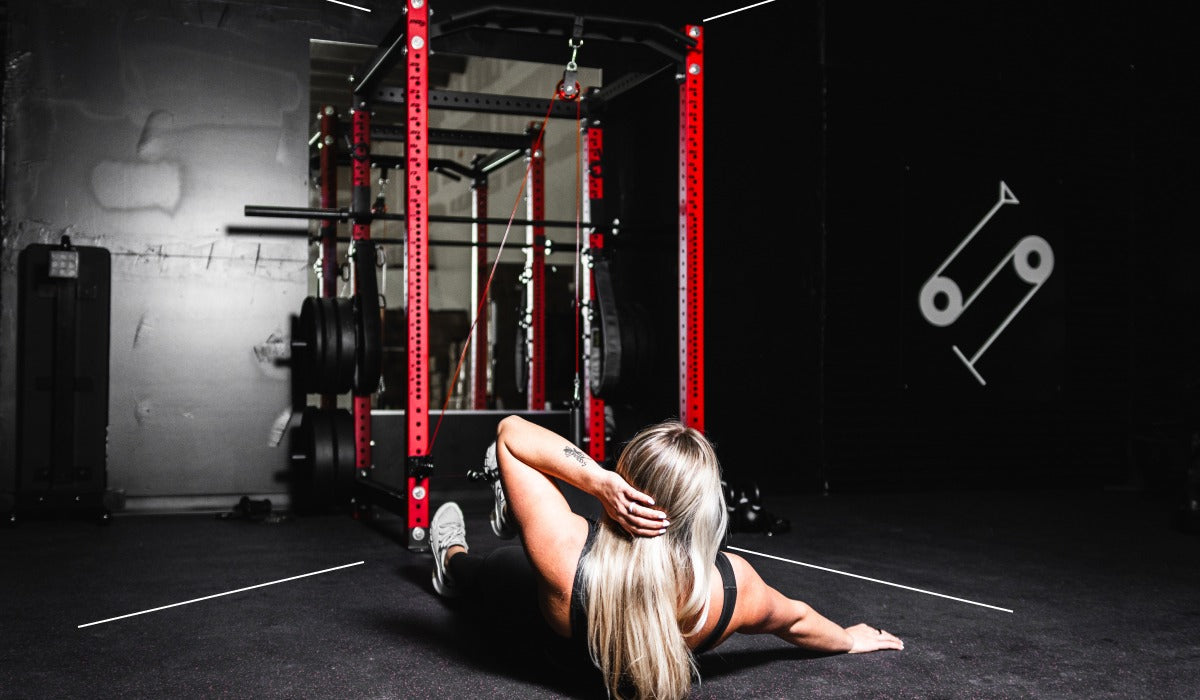
Building a fitness routine at home sounds simple until you look around and realize there’s barely any room to stretch your arms without bumping into furniture. If that sounds familiar, you’re not alone. Most people assume that creating a workout space at home requires a spare room, a garage, or a massive budget. The truth is much simpler: with the right planning and smart equipment choices, even the smallest space can turn into a powerful training zone.
This guide is for anyone who wants to work out consistently without stepping outside, whether you live in an apartment, a shared space, or a compact home. Let’s break down how to design a gym that works with your space instead of fighting against it.
Why a Small Home Gym Actually Works Better
A lot of people imagine a home gym as something big and intimidating. Rows of machines, heavy racks, and endless equipment. But for most people, that kind of setup becomes overwhelming fast.
A small gym has advantages:
It’s easier to maintain
It encourages consistency
It forces you to focus on what truly matters
It fits naturally into daily life
When your workout area is close, accessible, and simple, you’re far more likely to use it regularly. That consistency matters far more than the size of the room.
Start With the Space You Already Have
Before thinking about equipment, look at your surroundings. You don’t need a dedicated room. You need intention.
Good spots to consider:
A corner of your bedroom
A section of the living room
A wall in your home office
A narrow balcony or hallway
A part of the garage
Measure the space and note ceiling height, wall strength, and floor area. Even a few square feet can be enough if you plan smartly. A small home gym works best when it blends into your home rather than taking it over.
Define Your Fitness Goals Clearly
Your setup should match how you actually want to train. Ask yourself:
Do I want strength, fat loss, or general fitness?
Do I enjoy resistance training or bodyweight workouts?
How many days a week will I realistically train?
Your answers determine what equipment you bring in. Buying randomly leads to clutter. Buying intentionally leads to results.
Choose Equipment That Does More With Less
This is where many people go wrong. They buy bulky machines that eat up space and limit movement. Instead, focus on tools that offer versatility.
When choosing home gym equipment, prioritize:
Multi-use functionality
Compact or wall-mounted designs
Easy storage
Adjustable dumbbells, resistance bands, foldable benches, and cable-based systems allow dozens of exercises without demanding much room. The goal is freedom of movement, not filling the space.
Why Cable and Pulley Systems Are Ideal for Small Spaces
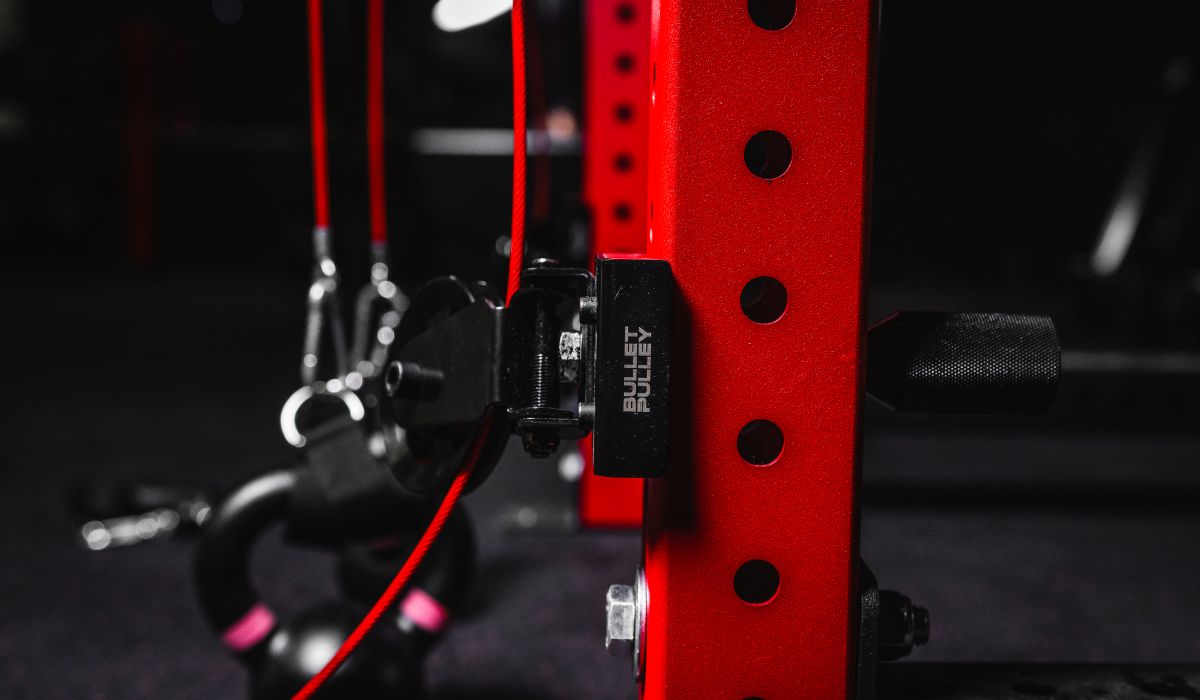
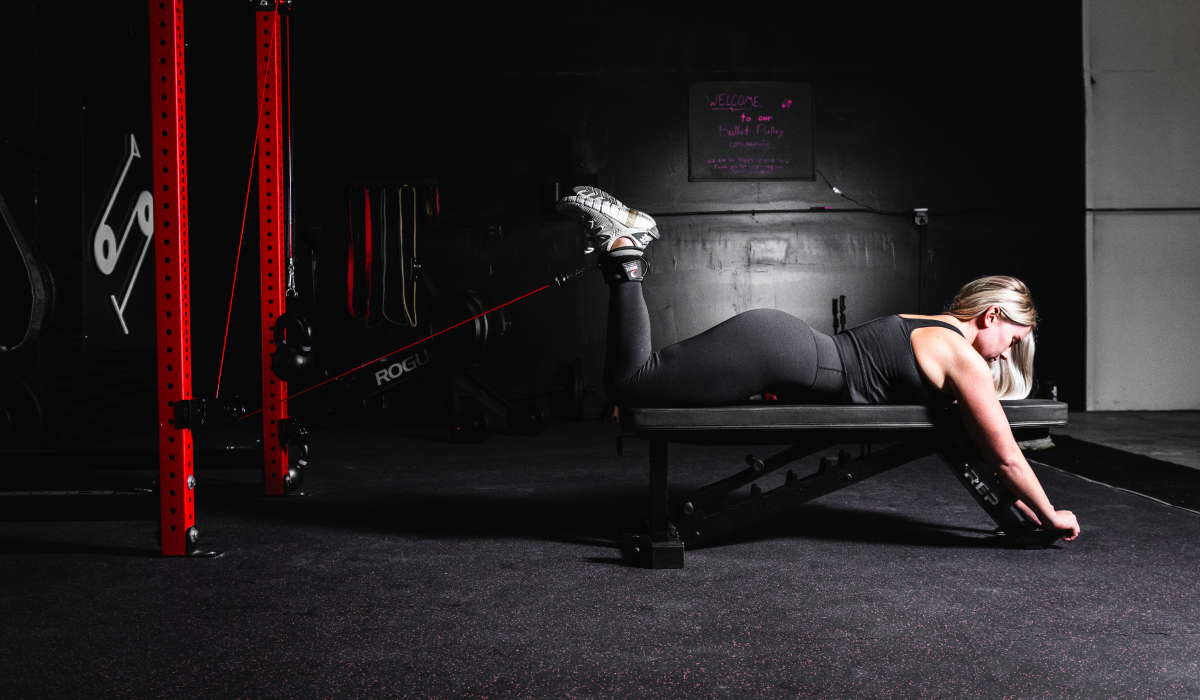
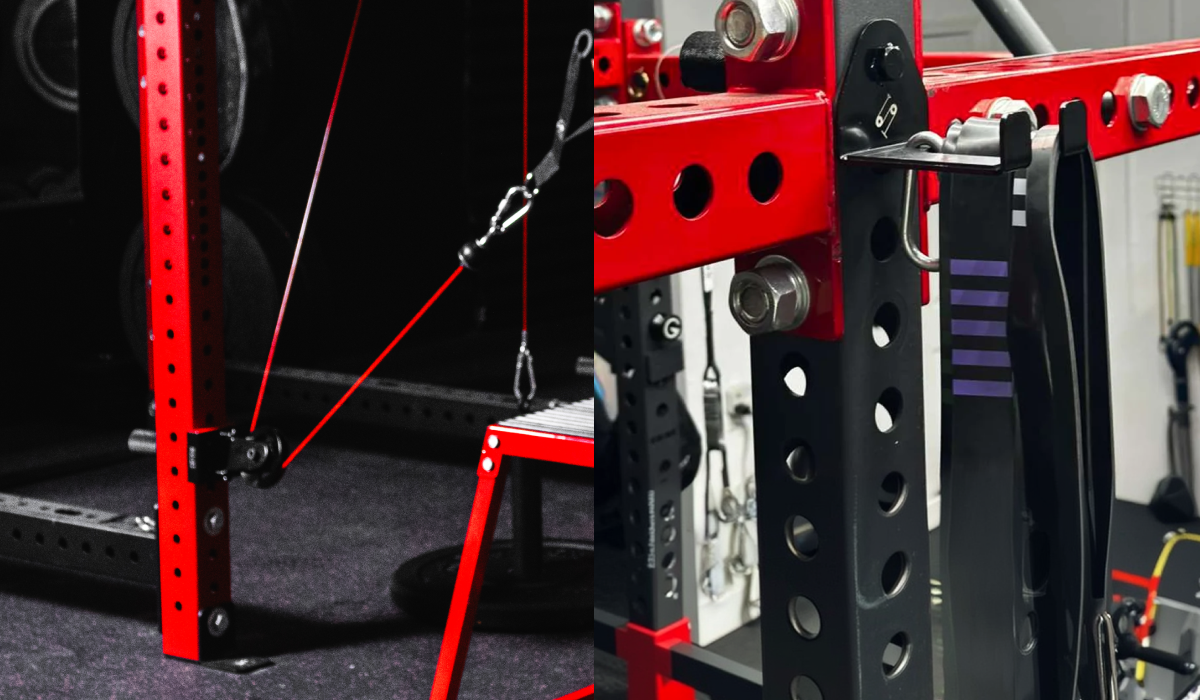
If you want gym-level training without gym-level space, cable resistance is a game changer. A pulley setup allows smooth resistance through multiple angles, helping you train your back, chest, arms, shoulders, and legs efficiently.
For people searching for at home workout equipment for small spaces, this type of system stands out because:
It uses vertical space instead of floor space
It supports full-body workouts
It allows progressive overload
It feels closer to a commercial gym experience
You don’t need massive machines to get effective resistance. Smart design beats size every time.
Layout Tips That Maximize Every Inch
Once you have your equipment plan, the layout becomes crucial.
Go Vertical
Wall-mounted storage keeps floors clear. Hooks for bands, handles, and accessories make a huge difference. Vertical setups create breathing room even in tight areas.
Keep the Floor Open
Avoid permanent floor clutter. Leave enough room for lunges, stretching, and dynamic movements. A clear floor makes the space feel larger and safer.
Use Mobile Storage
Bins or drawers on wheels let you store equipment out of sight when not in use. Your gym appears only when you need it.
A clean setup makes workouts feel inviting instead of stressful.
Design a Setup You’ll Actually Use
The home gym setup that works best is one you enjoy walking into. Small details matter more than people realize.
Add:
Good lighting so the space feels energized
A mirror to check form and posture
A mat for comfort and noise reduction
A speaker or playlist station for motivation
These touches turn a functional area into a space you want to return to.
Build a Routine That Fits the Space
Your workouts don’t need to be complicated. Simplicity keeps you consistent.
A sample structure:
Warm-up (5 minutes)
Strength training using resistance or cables
Core or stability work
Short finisher or conditioning
Stretching
This structure works whether you train 20 minutes or an hour. Over time, you can increase resistance, reps, or intensity without adding new equipment.
This is how people slowly build what they consider their best home gym not through size, but through results.
Smart Budget Decisions Matter
You don’t need to spend a fortune to get started. Many effective setups are built with ideas on a budget.
Tips:
Start with essentials and expand later
Avoid trendy equipment with limited use
Focus on durability, not aesthetics
Buy tools that replace multiple machines
A thoughtful purchase today saves money and space tomorrow.
Avoid Common Small-Space Gym Mistakes
Here’s what to skip:
Buying large machines “just in case”
Overcrowding the space
Ignoring storage solutions
Chasing aesthetics over function
Your gym should feel open, adaptable, and stress-free. If it feels cramped, you’ll avoid it.
How to Keep Things Interesting Over Time
Boredom kills consistency. Keep your workouts fresh by:
Changing rep schemes
Adding tempo variations
Trying new movement patterns
Rotating focus areas weekly
Versatile tools make this easy, especially when you rely on best home gym equipment for a limited place that allows movement from multiple angles.
Progress Matters More Than Space
People often compare their setup to others online. That comparison steals motivation. What matters is progress, stronger lifts, better endurance, improved health.
Your gym doesn’t need to impress anyone else. It needs to support you.
That’s why the best home gym equipment is always the equipment that fits your space, your goals, and your routine.
Final Thoughts
A powerful workout space doesn’t depend on square footage. It depends on intention, smart choices, and consistency.
With the right mindset and planning, your small space can deliver big results. You don’t need perfection. You just need a setup that removes barriers and invites action.
Build it slowly. Use it often. And let your progress define the space—not the other way around.
Share:
Top 10 Benefits of Using a Cable Pulley System for Your Home Gym
Where to Buy a High Quality Home Gym Pulley System