

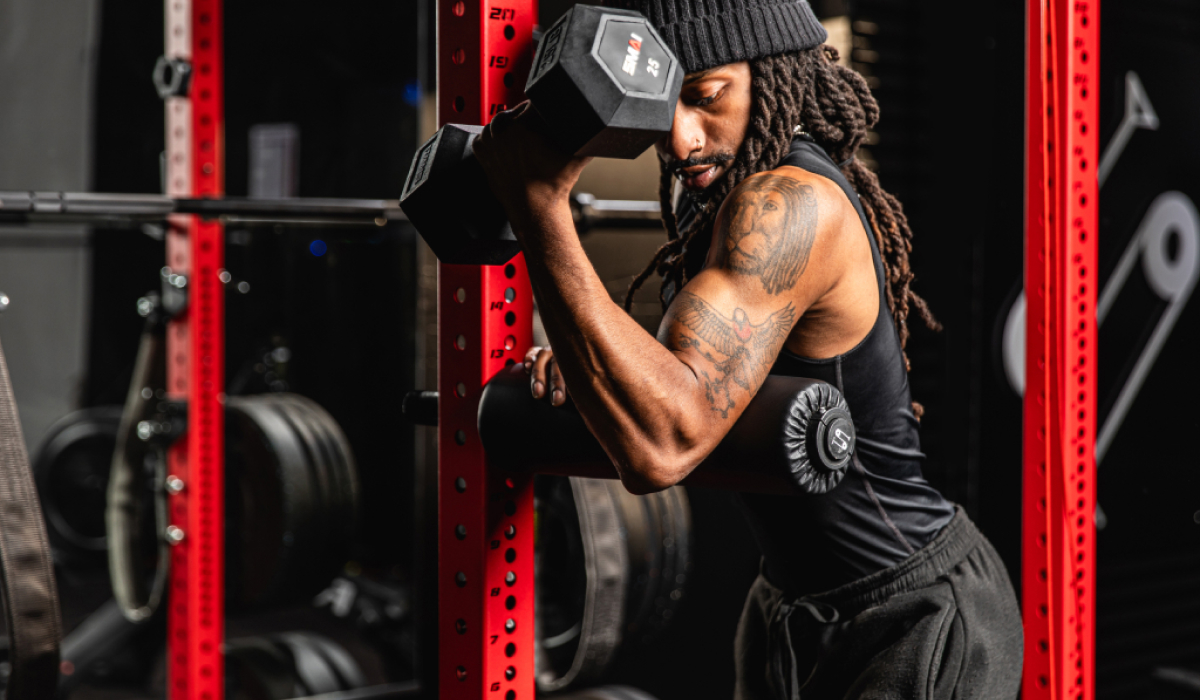
When it comes to weight training, proper form is everything. It’s the difference between making real gains and risking serious injuries. One often-overlooked gym accessory that plays a crucial role in maintaining form, grip, and posture is the anchor pad. Whether you’re performing preacher curls, leg presses, or even squats, anchor pads offer the support needed to execute each movement effectively and safely.
What Are Anchor Pads?
Anchor pads are padded supports found on various weightlifting machines and gym equipment. They provide cushioning and stability to specific body parts, such as arms, back, or legs, ensuring that movements are controlled and aligned correctly. You’ll often see them in exercises that require isolation, such as preacher curls, seated rows, and leg extensions.
Benefits of Anchor Pads in Weight Training
1. Improved Grip and Stability
Maintaining a strong grip during weight training is essential for preventing slippage and reducing strain on your joints. Anchor pads provide a stable resting surface, allowing your hands, arms, or legs to stay in place throughout the movement. This ensures that your grip remains consistent, helping you lift heavier weights with more control.
2. Supports Proper Posture
Good posture is key to effective weight training, as it helps prevent injuries and maximizes muscle engagement. Anchor pads help keep your body in the right alignment by offering a firm surface to press against. For example, during preacher curls, the anchor pad supports the upper arms, preventing unnecessary movement and forcing your biceps to do all the work.
3. Enhances Muscle Isolation
One of the biggest challenges in weight training is isolating the targeted muscle group. Without proper support, other muscles may compensate, reducing the effectiveness of an exercise. Anchor pads eliminate unwanted movement and allow you to focus on the intended muscle group. This is especially useful in exercises like leg curls or bicep curls, where strict form leads to better muscle activation.
4. Reduces Risk of Injury
Lifting weights with poor form can lead to muscle strains, joint stress, and long-term injuries. Anchor pads help reduce the risk by keeping your body in the correct position. They also reduce pressure on the lower back and joints by ensuring that weight is distributed evenly. This makes them particularly beneficial for people recovering from injuries or those new to weight training.
5. Increases Comfort During Workouts
Let’s face it—training can be uncomfortable, especially when using heavy weights. Anchor pads provide necessary cushioning, reducing pressure points and allowing you to train longer without discomfort. This added comfort helps you stay consistent with your workouts, leading to better progress over time.
How to Incorporate Anchor Pads into Your Workouts
If you want to get the most out of anchor pads, follow these tips:
Use them for isolation exercises – Exercises like preacher curls, leg curls, and seated rows benefit significantly from anchor pad support.
Ensure proper positioning – Adjust the pads to fit your body comfortably and align with the muscle group you're targeting.
Don’t rely too much on them – While they provide support, anchor pads shouldn’t replace proper core engagement and control.
Keep them clean – Many gym users sweat on these pads, so wiping them down before and after use helps maintain hygiene.
Final Thoughts
Anchor pads may seem like a minor detail in your weight training routine, but they play a significant role in maintaining perfect form, improving grip support, and ensuring proper posture. By incorporating them into your workouts, you’ll reduce injury risks, maximize muscle activation, and train with better control. Next time you hit the gym, pay attention to how anchor pads can elevate your training experience and help you achieve your fitness goals safely and effectively.
Share:
How Strength Training Contributes to Overall Health with Bullet Pulley
How a Pulley System Elevates Training with Simple Weights